 New
New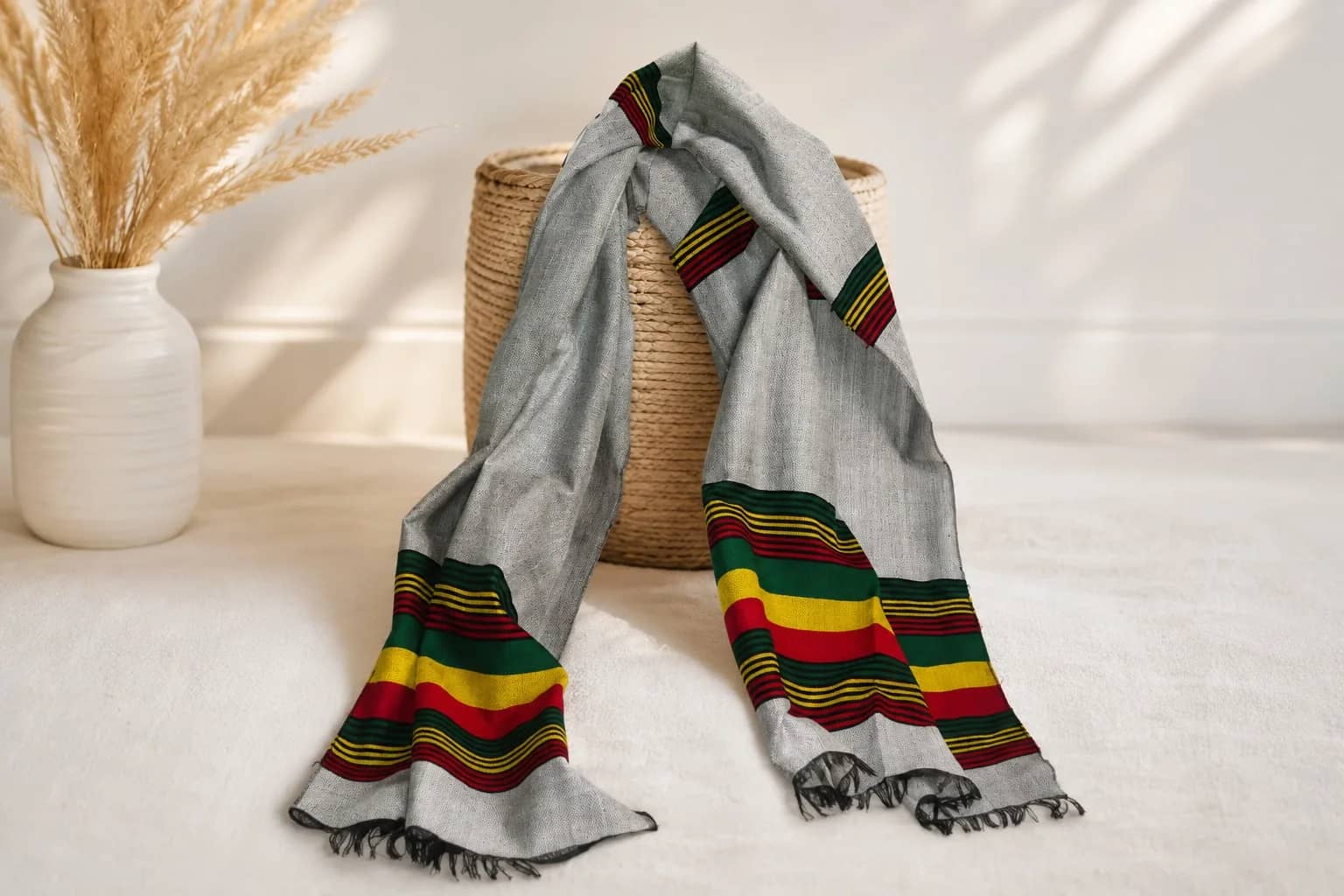
Ethiopian fashion house
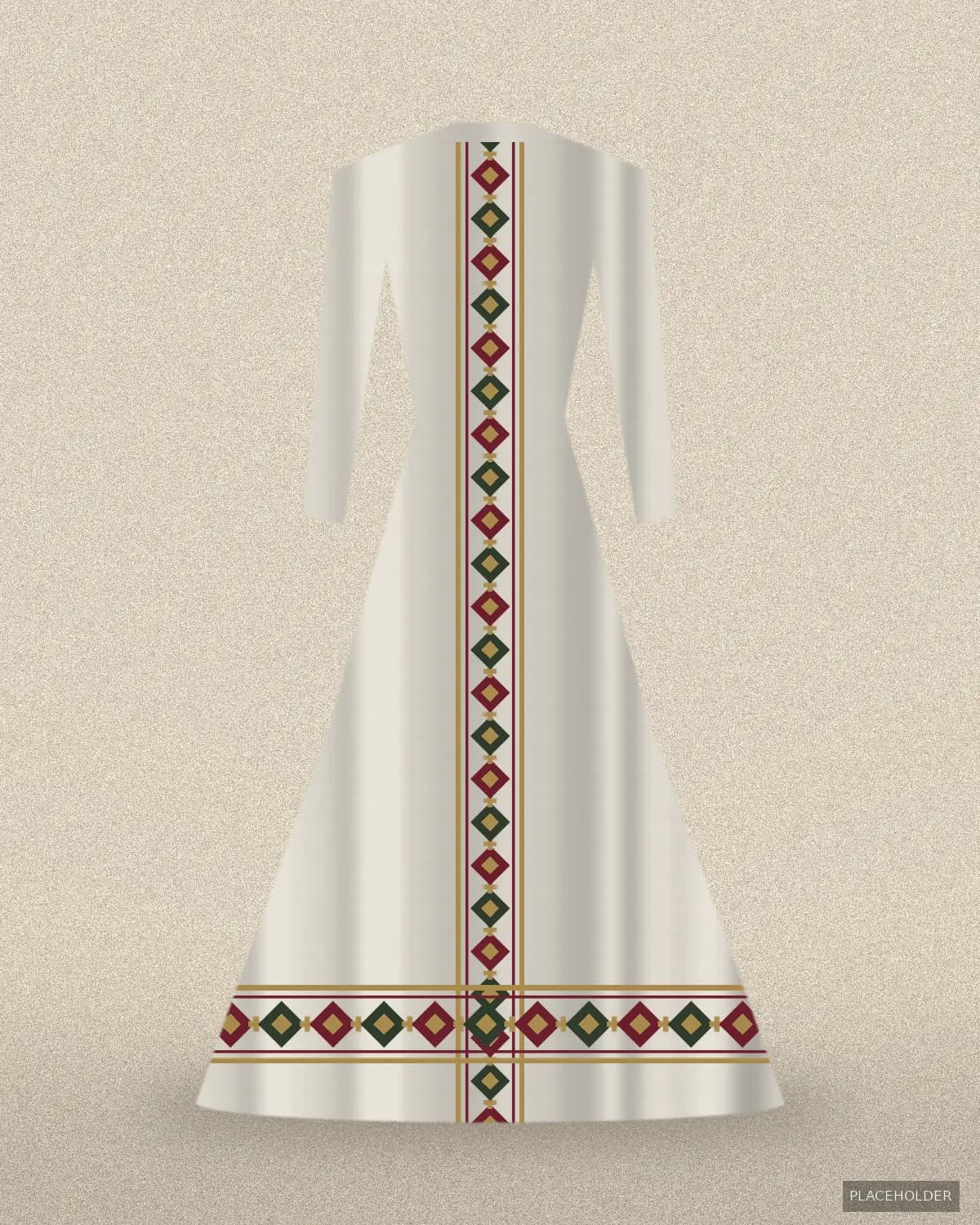
Ethiopian scarves, Habesha dresses and accessories.
The latest pieces in the shop.
New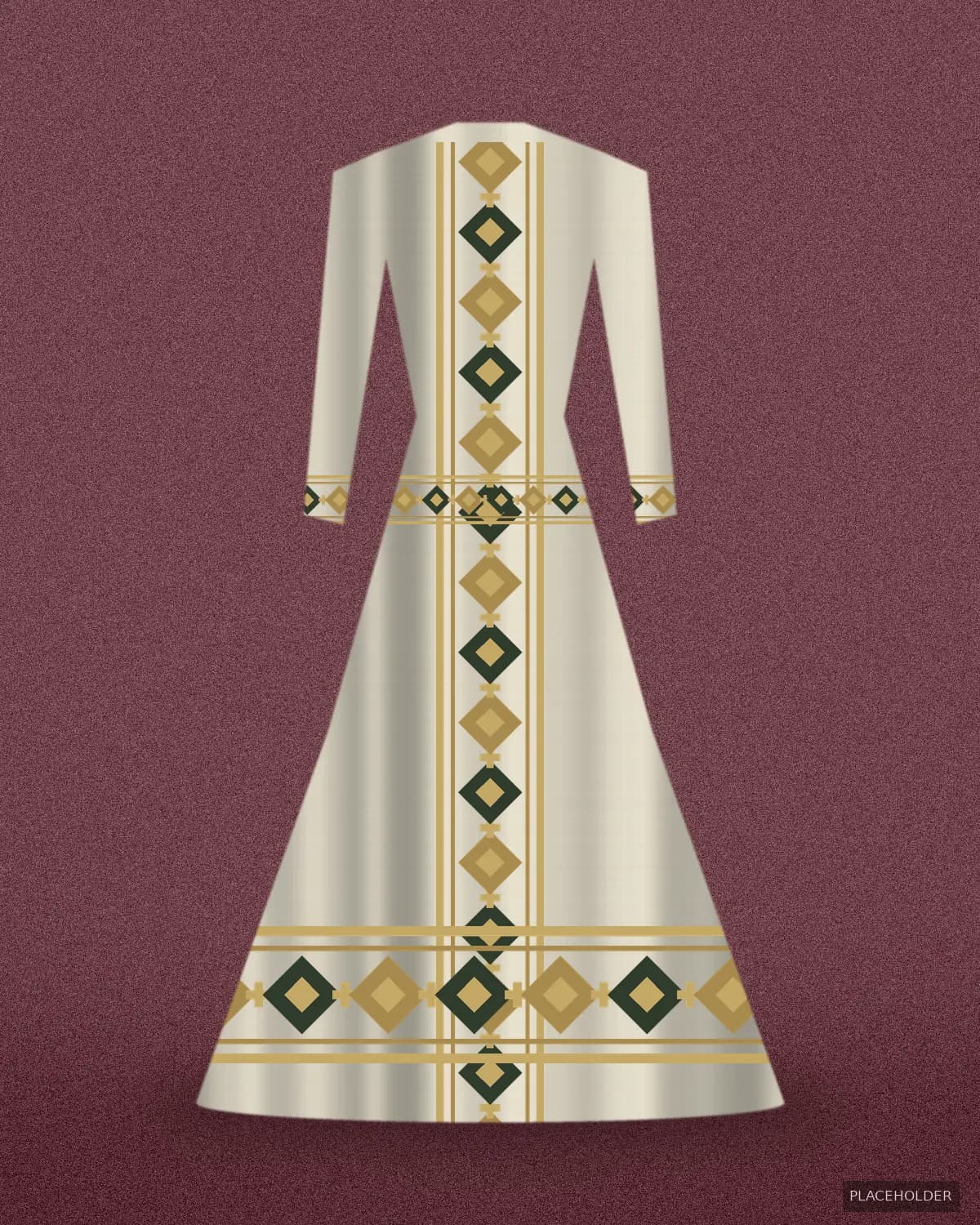
$140· Only a few left
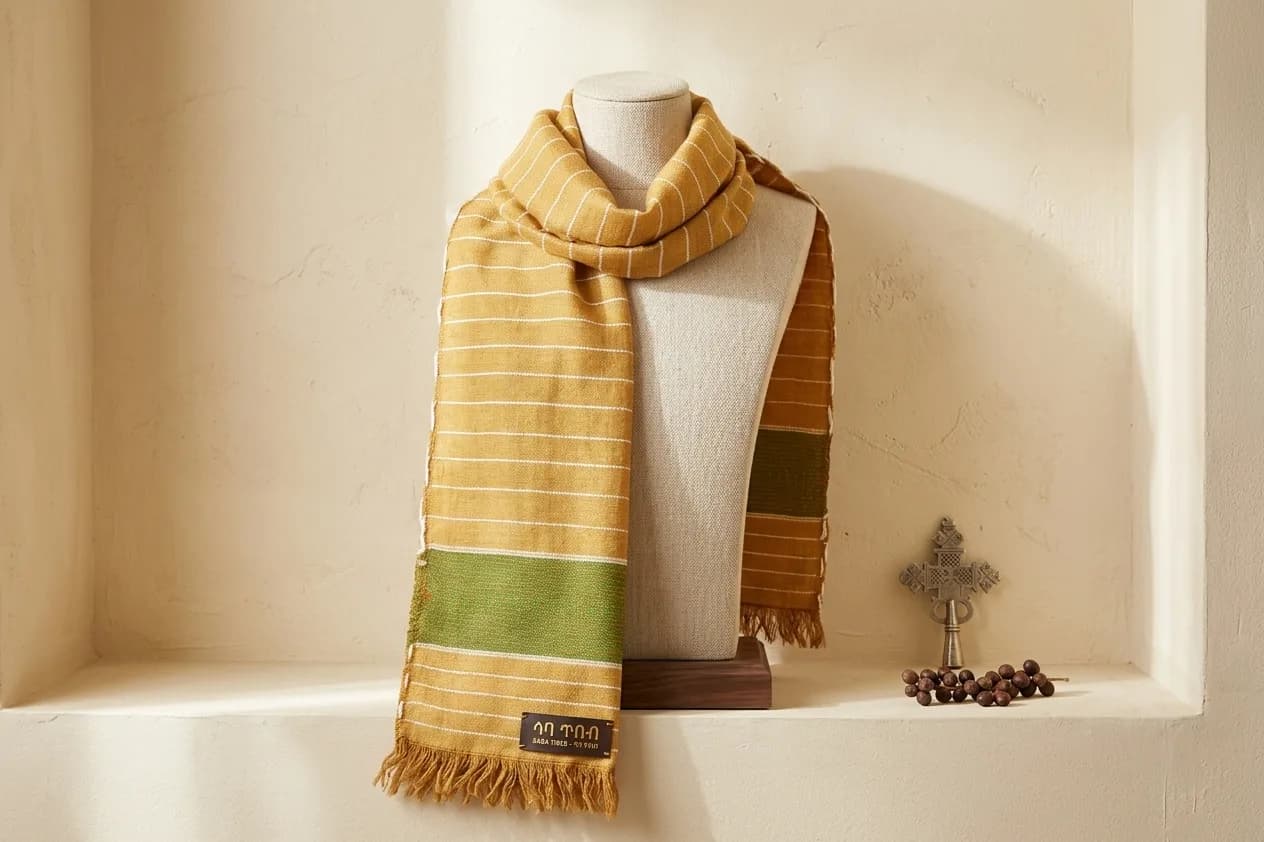
 Sale
Sale
 Sale
Sale$12 $15
From the white netela of feast days to contemporary silhouettes.
2 pieces
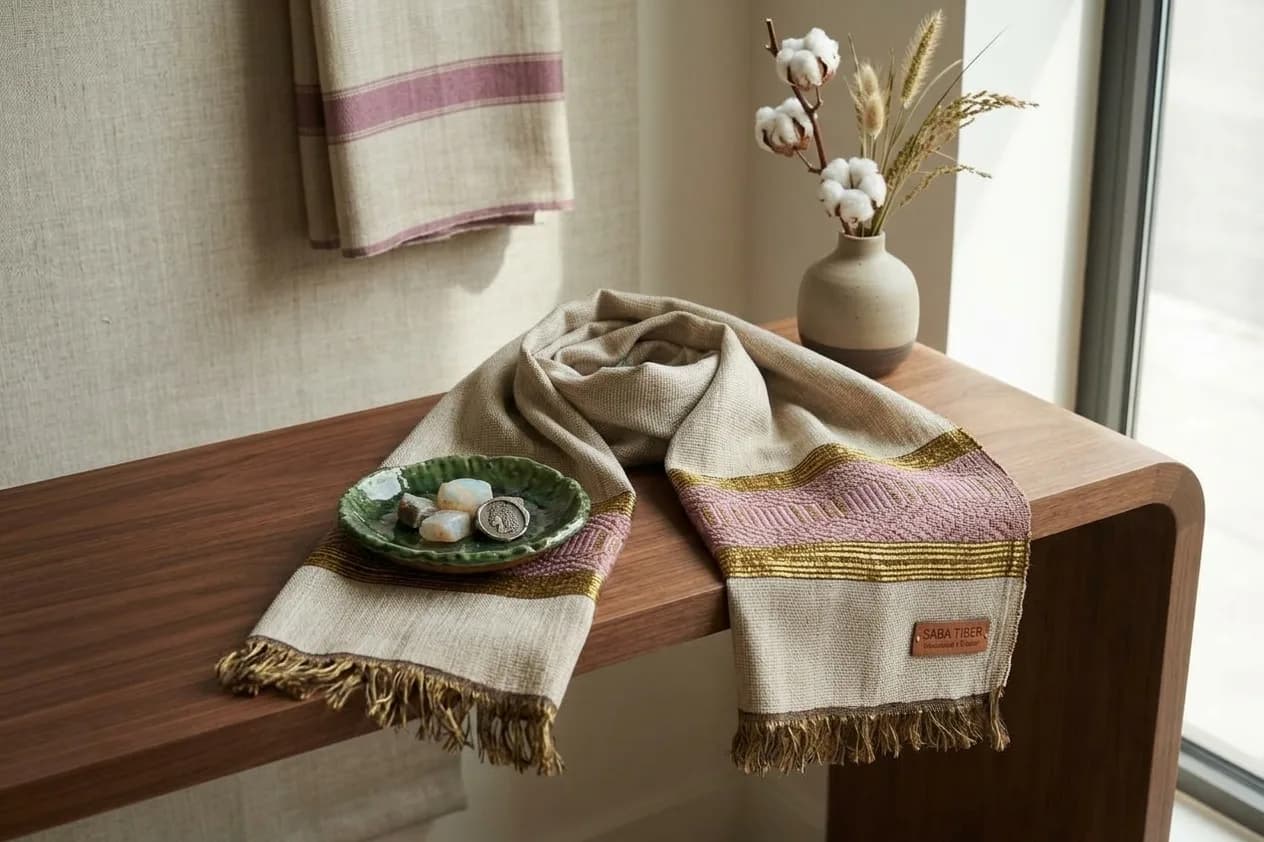
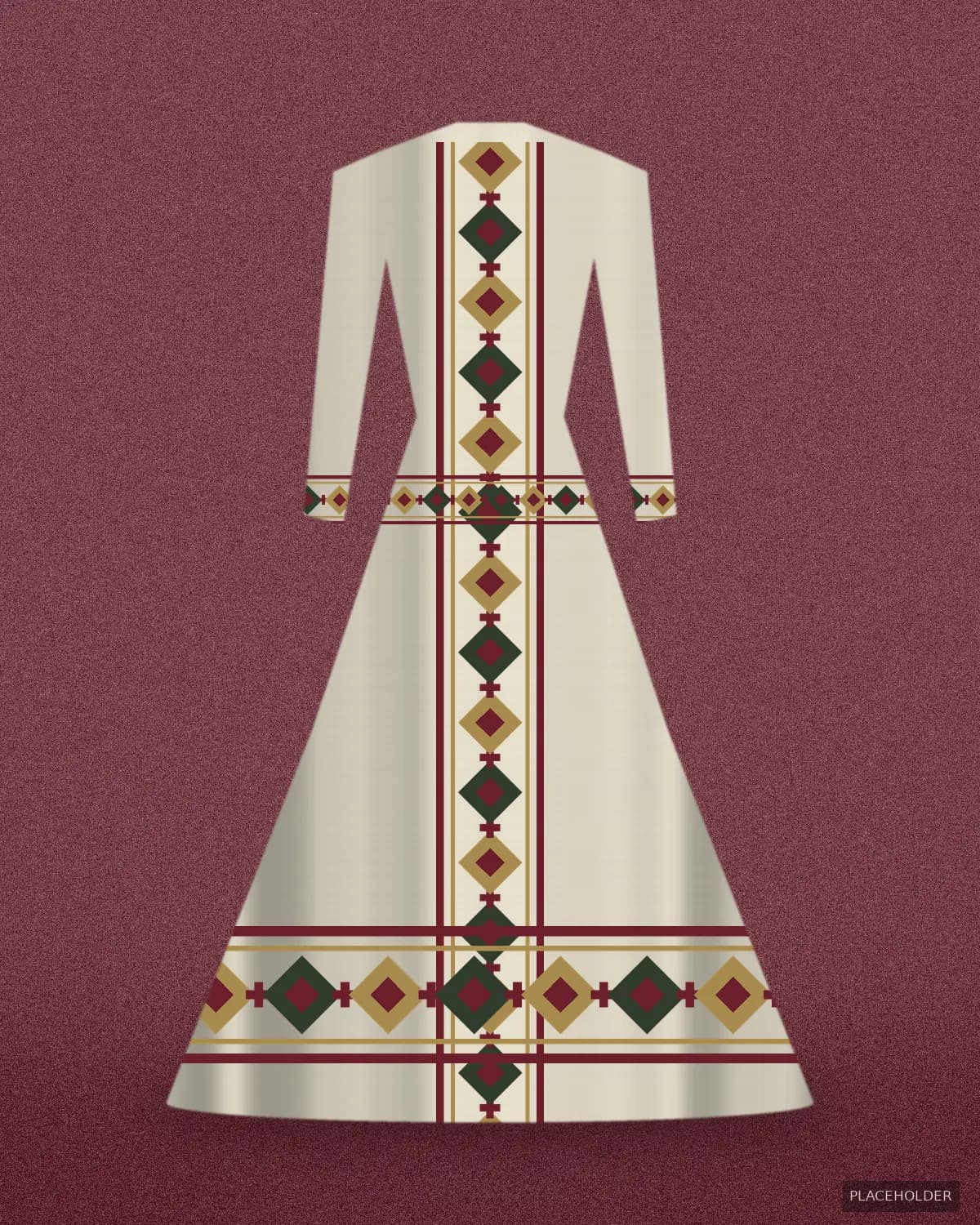
2 pieces
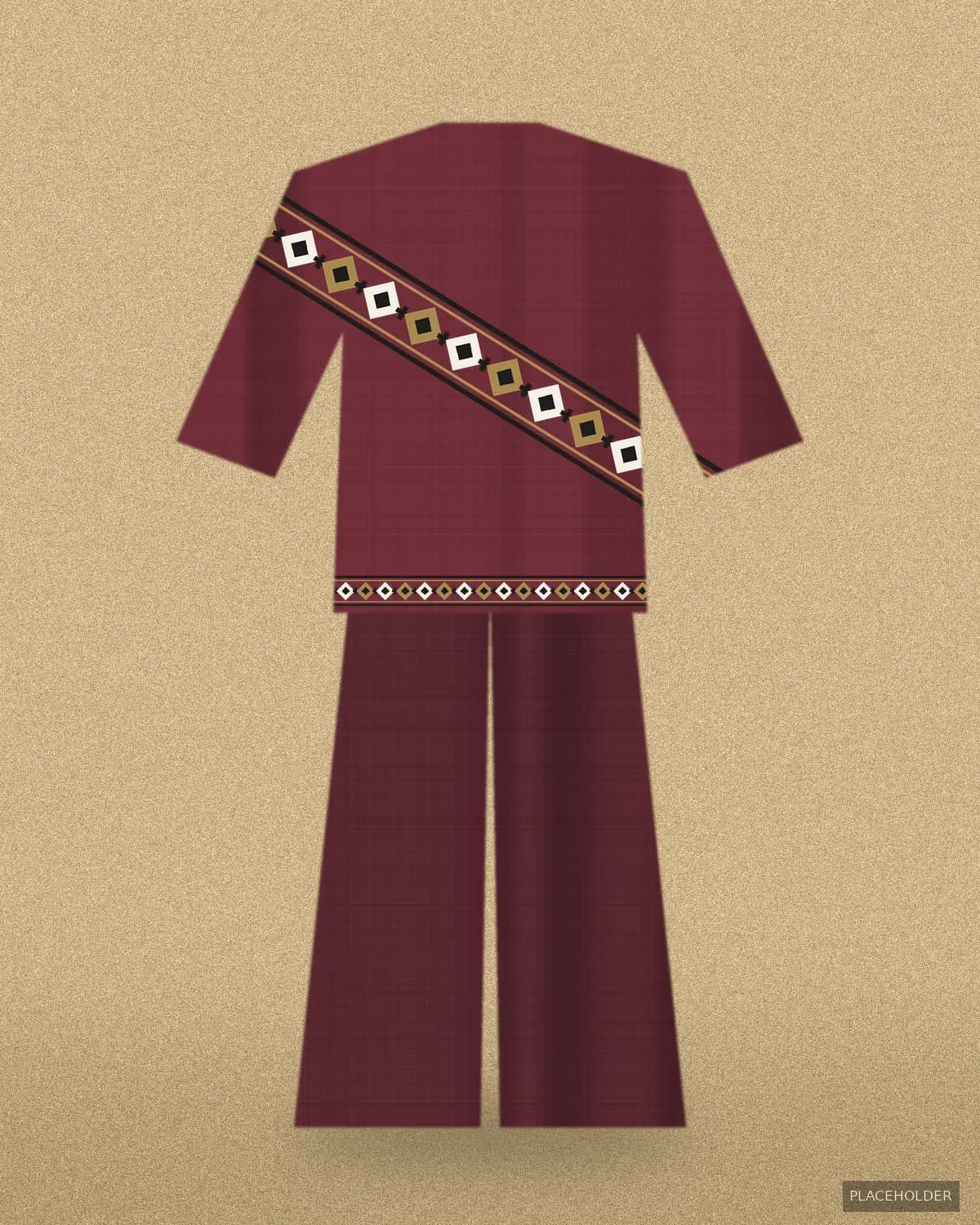
2 pieces
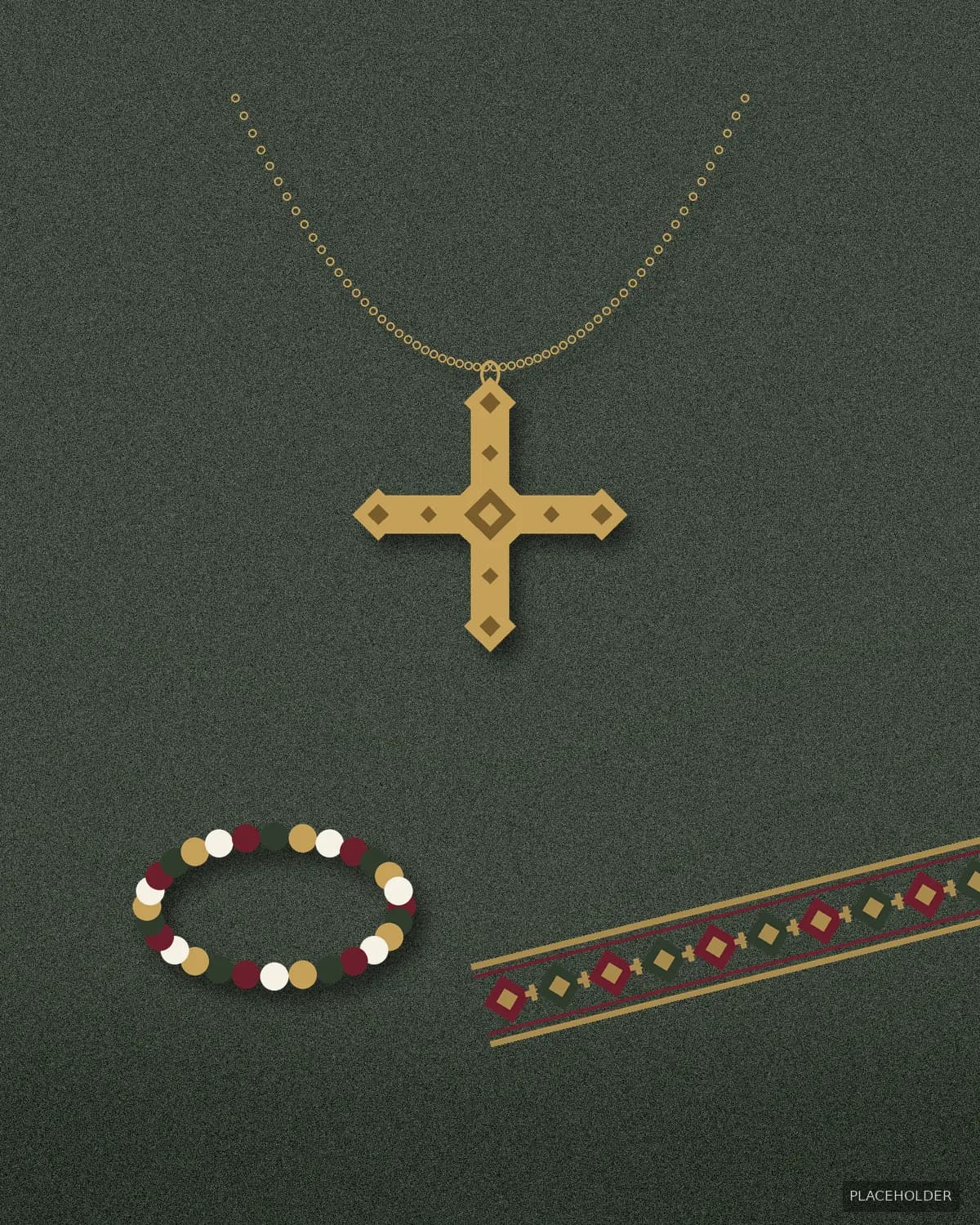
1 piece
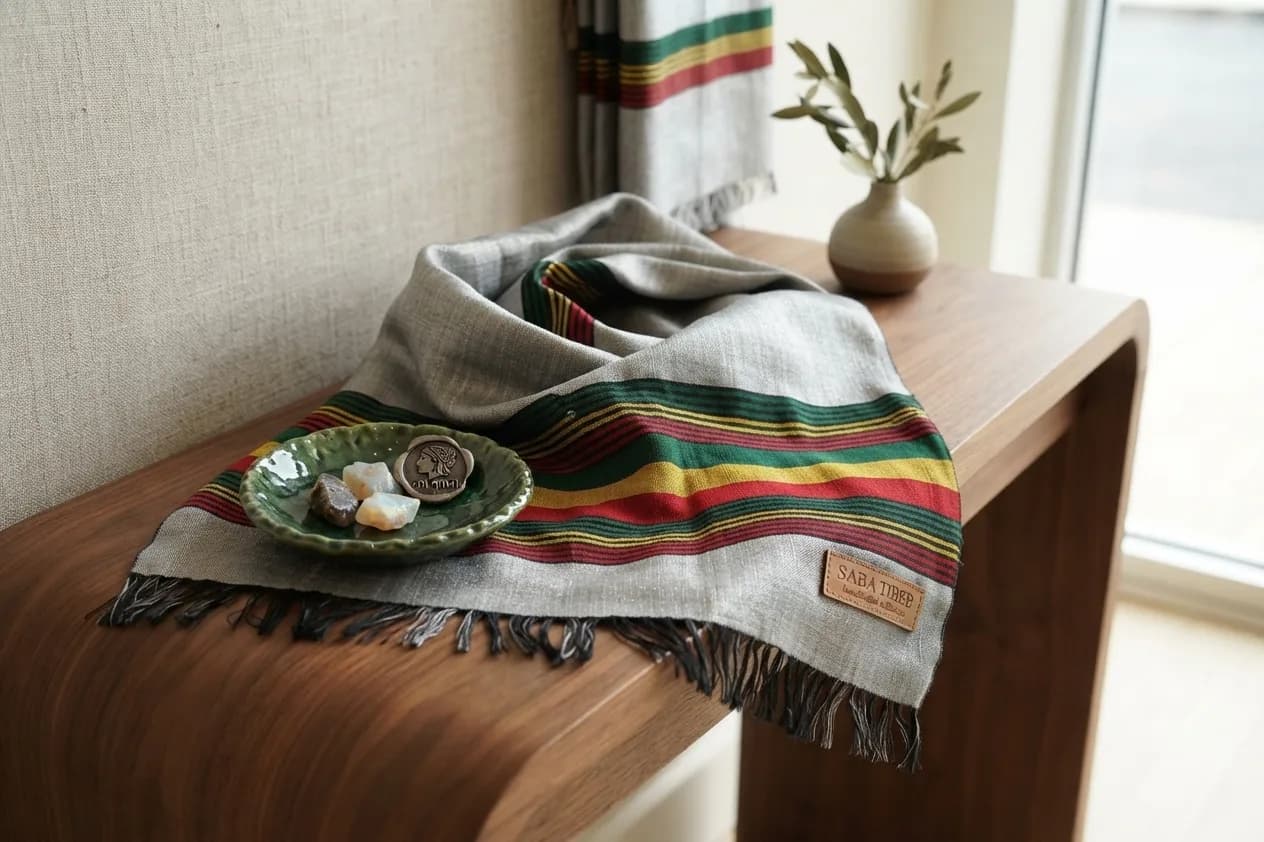
Our story
The Art of Saba Tibeb At Saba Tibeb, we believe every piece of clothing carries a spirit and a story. Our mission is to bring the rich, timeless heritage of Ethiopian hand-weaving to the world, connecting you directly to the hands that create them. The Hands Behind the Loom Our collection is not mass-produced. Each scarf and textile is lovingly hand-crafted by master artisans in Ethiopia. These skilled men and women come from weaving families, inheriting and refining techniques that have been passed down for generations. By choosing Saba Tibeb, you are directly supporting these artisans and their families, helping to preserve and sustain a vital cultural tradition. Where Tradition Meets Timelessness All our pieces are created in Ethiopia, utilizing traditional shema looms. The fabric itself, a shimmering, high-quality cotton, is hand-spun to achieve its distinctive texture and subtle sheen. Our signature borders, known as Tibeb, are then meticulously hand-loomed using vibrant, rich thread, reflecting the colors and spirit of Ethiopia’s cultural festivals and landscapes. What Makes Saba Tibeb Special What makes a Saba Tibeb piece unique is its fusion of authenticity and refined luxury. It’s more than just an accessory; it’s a piece of heritage. We are dedicated to sourcing the finest materials and collaborating with our weavers to create modern, wearable art that honors its origins. Every scarf, including the one featuring our distinct leather Saba Tibeb brand tag, is a testament to slow fashion, patience, and unparalleled craftsmanship. Thank you for being part of our journey and for wearing a piece of Ethiopia.
Read our storyNotes on craft, heritage and Ethiopian dress.
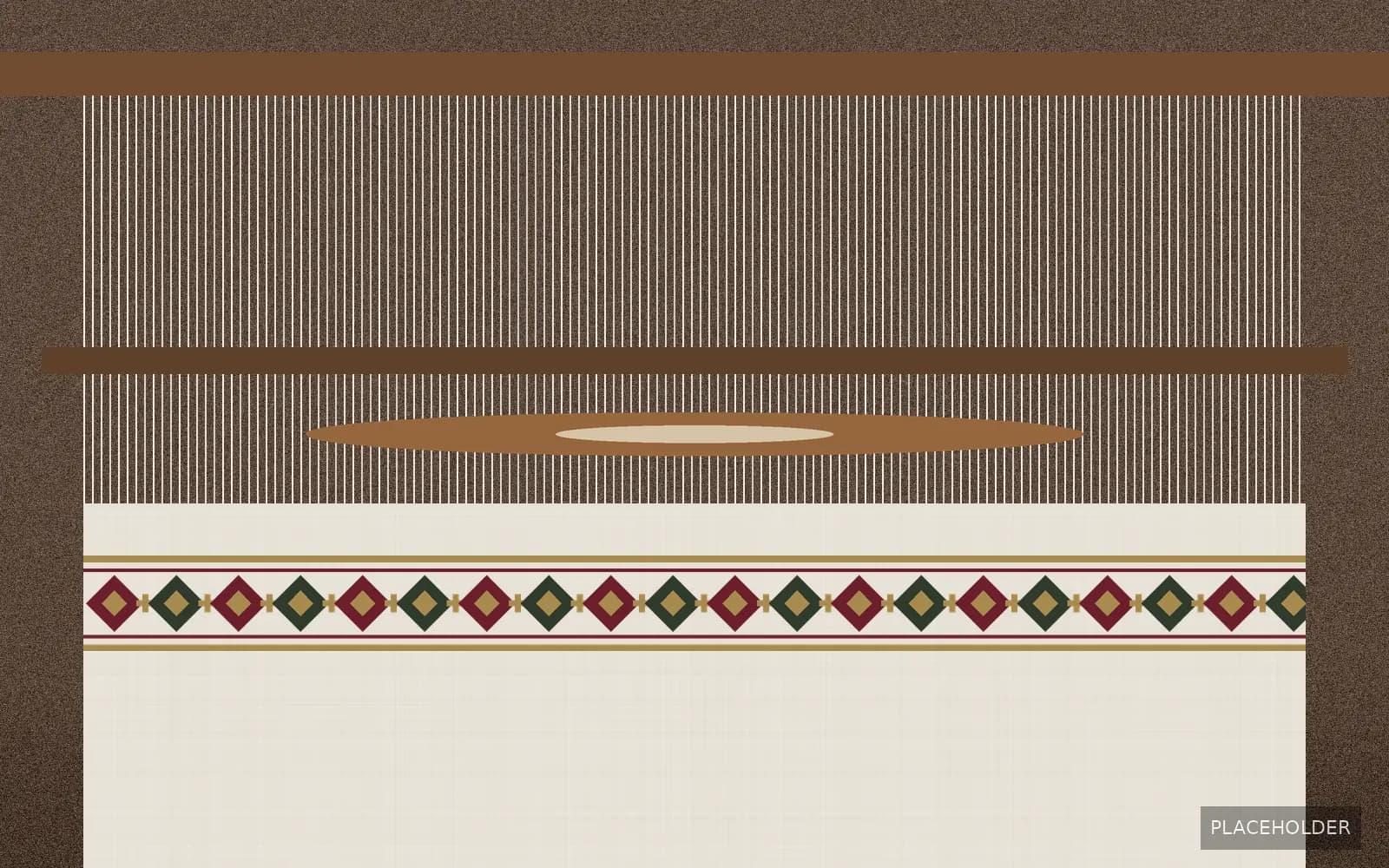
Demo article: introduce the people behind your pieces.
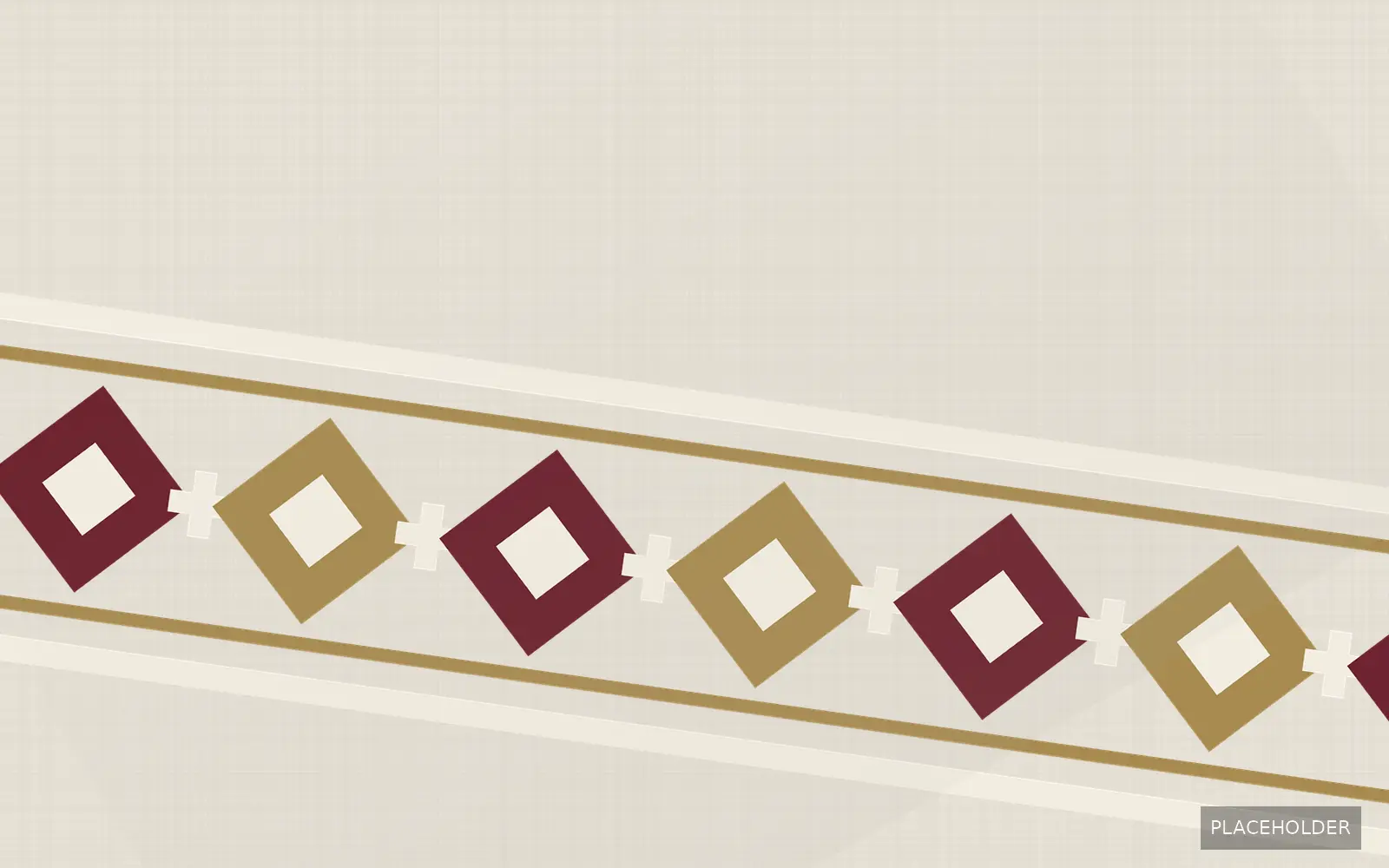
Crosses, lozenges and steps: reading the patterns on a woven border.
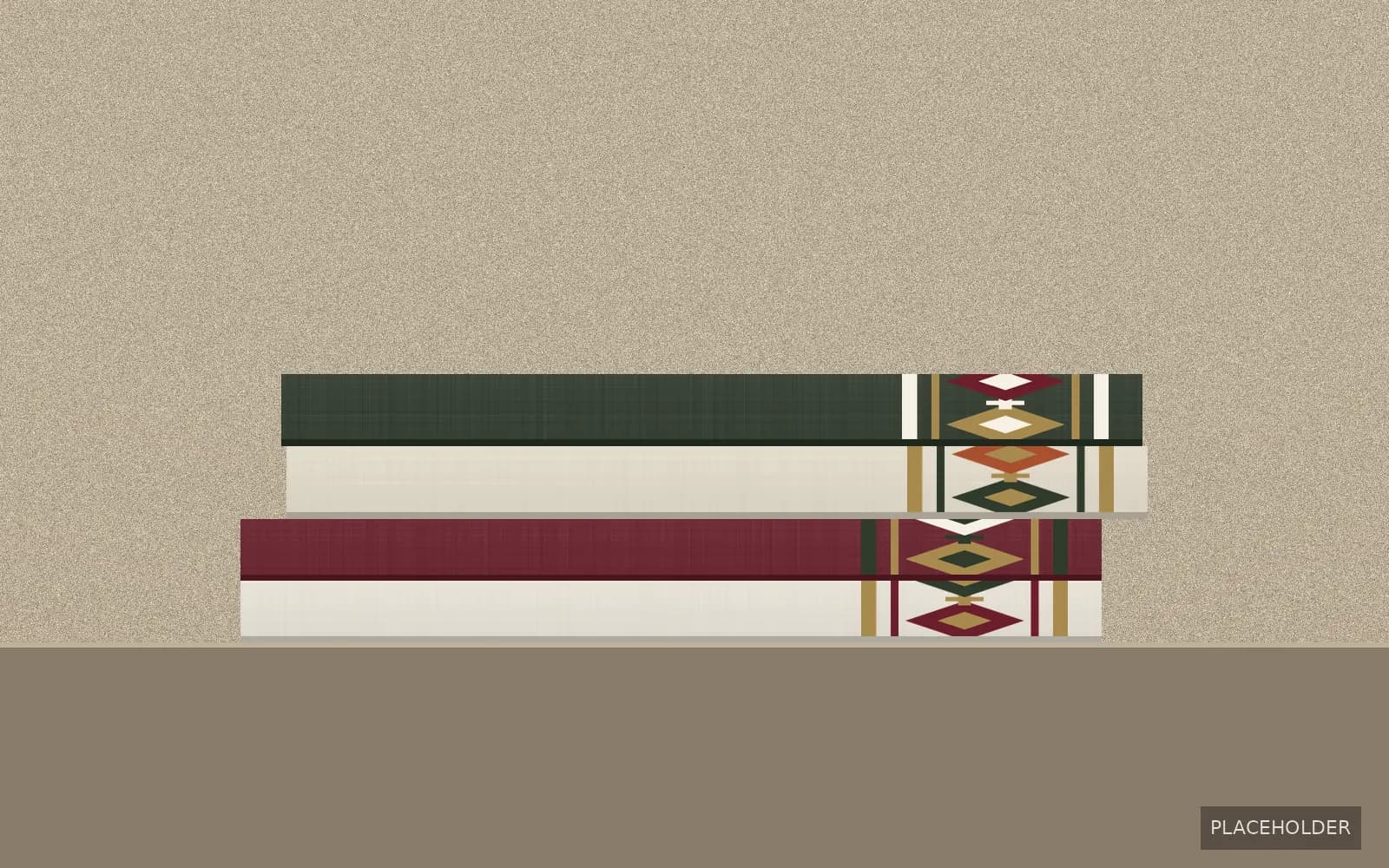
Washing, drying and storing cotton pieces so they last.
New collections, journal stories and early access. Placeholder text: say how often you will write.